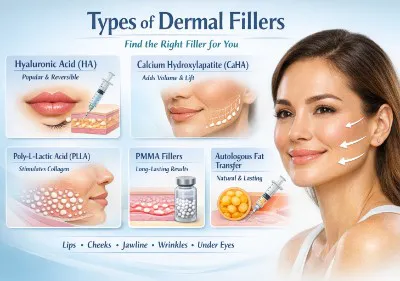
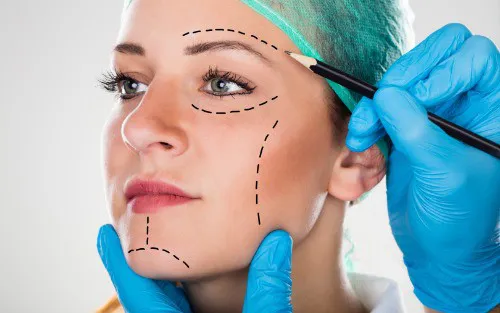
This is your complete guide to dermal fillers.
Whether you’re curious about smoothing lines, restoring lost volume, or enhancing your natural features — this page covers everything you need to know before taking the next step.
From how they work to choosing the right practitioner, it’s all here.
Let’s dive in.
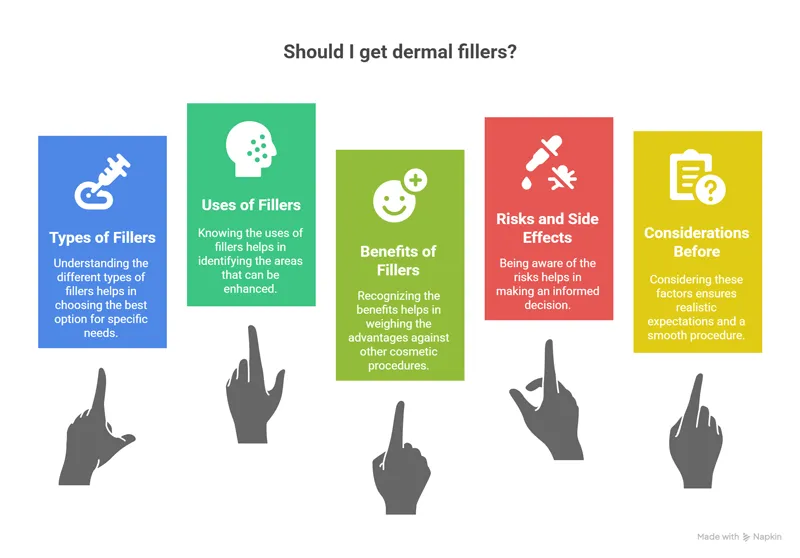
Ever feel like your face is telling a different story to how you actually feel inside?
You’re energetic, present, and still very much you — but lately, your reflection doesn’t quite match that. Subtle hollows, softening contours, or fine lines can quietly shift how we see ourselves, even when nothing else has changed. It’s not about chasing youth — it’s about reconnecting with the version of yourself that still feels current and confident.
Dermal fillers offer a subtle, non-surgical way to restore facial balance, lift tired features, and refresh your appearance — without changing what makes you you. In this guide, you’ll learn:
What dermal fillers really do (and don’t)
Where they can be used — safely and naturally
What to expect before, during, and after treatment
How to choose a practitioner you can trust
Let’s explore how dermal fillers can help you look as vibrant as you feel.

Neauvia PEG-HA Fillers represent the next generation of dermal filler technology, formulated with polyethylene glycol (PEG)–crosslinked hyaluronic acid to create a highly stable, biocompatible, and long-lasting filler range. Designed to integrate seamlessly into the skin, Neauvia fillers provide natural-looking volume, enhanced contouring, and structural support while maintaining softness and flexibility. This advanced PEG-HA technology offers superior longevity, reduced swelling, and improved safety compared to traditional HA fillers. The Neauvia range is tailored for full-face rejuvenation, including lips, cheeks, jawline, chin, nasolabial folds, and skin quality enhancement, delivering refined, balanced results with minimal downtime.
Visit Website
Learn what dermal fillers are, how they work, and where they’re used. This guide offers clear, evidence-informed answers to common filler questions.
Dermal fillers are injectable treatments used in aesthetic medicine to restore volume, smooth lines, and subtly enhance facial contours. They are one of the most widely used non-surgical procedures in the UK, with applications ranging from under-eye hollows and cheek definition to lip shaping and jawline support.
Understanding what dermal fillers are - and how they differ from other treatments - is an important step for anyone exploring facial rejuvenation. There are various types of fillers, each suited to different concerns, treatment areas, and preferences around longevity, texture, and reversibility.
The full guide covers key areas such as how fillers interact with the skin, common treatment zones, types of filler materials, safety considerations, and how treatments are typically planned in professional practice.
Learn what dermal fillers do, how they work, and where they are commonly used, with clear, medically grounded guidance for informed decisions.
Dermal fillers are injectable treatments used in aesthetic practice to restore volume, support facial structure, and soften certain lines or contours. They are commonly discussed but often not clearly explained, making it difficult to understand what they are designed to do and where their limits lie. This page provides a clear, neutral introduction to dermal fillers and their role in modern non-surgical care.
For many people, interest in dermal fillers arises when facial changes feel gradual rather than dramatic. Subtle volume loss, shifting contours, or deeper folds can affect how the face looks at rest, even when overall skin quality is good. Understanding what fillers do helps place these changes in context and supports more informed decision-making before exploring treatment options.
The full guide explores what dermal fillers are made from, how they work beneath the skin, the areas they are commonly used to treat, and how their effects differ from other injectable treatments. It also touches on suitability, variability of results, and why professional assessment plays such an important role.
A plain-English guide to dermal fillers, including product types, treatment areas, risks, and what to discuss with a qualified practitioner.
Dermal fillers are injectable medical devices used in aesthetic practice to restore volume, refine contours, and support facial structure. They are widely discussed, but often poorly explained, which can make it difficult to understand what they are designed to do, how they differ, and whether they are appropriate for you.
This matters because dermal fillers are not a single treatment or product. Different materials, formulations, and techniques are used for different areas of the face, and outcomes depend on careful assessment rather than a one-size-fits-all approach. For anyone comparing options, weighing risks, or trying to make sense of conflicting information online, a clear starting point can reduce uncertainty and support better decisions.
The full guide explores what dermal fillers are made from, how they are used in practice, which areas they can and cannot treat, and what to consider around safety, suitability, and longevity. It also examines common questions patients raise during consultations and how decisions are typically made in clinical settings.
Learn what affects dermal filler safety, from product choice to practitioner training. This guide offers a clear, professional overview of known risks.
Dermal fillers are widely used in aesthetic medicine to restore volume, refine facial contours, and reduce the appearance of lines and shadows. But as demand grows, so does the need for clear, medically informed guidance - especially around safety.
Many people considering treatment have similar questions: What are the risks? How do you know if a product or practitioner is safe? What can go wrong, and how often does it happen? These are valid concerns, and understanding them is essential before making any decision.
In the full guide, we explore what dermal fillers are, how they work, and where risks typically arise. You’ll learn what affects safety - including practitioner experience, product quality, and aftercare - and how to spot the difference between well-regulated treatments and those that carry unnecessary risk.
This introduction focuses on helping you understand the key safety considerations, not evaluating specific brands or providers. Personal suitability and outcomes will always depend on individual factors, which your practitioner should assess during consultation.
Read the full guide: Products, Risks, And Providers Are Dermal Fillers Safe?
Learn where dermal fillers are typically used and how each facial area responds to treatment. A clear, expert-led breakdown for patients.
Dermal fillers are used to restore facial volume, refine contours, and soften static lines - but where they’re placed, and why, matters. This guide explains the most common treatment areas and how each one contributes to overall facial balance.
Understanding where fillers are used is essential when considering treatment. Many patients know what they want to improve, but aren’t sure which areas are typically treated or how different placements interact. Knowing the purpose of each area - cheeks, lips, jawline, tear troughs, and more - can help you ask better questions, avoid over-treatment, and feel more confident in your decisions.
The full guide outlines how different facial areas age, how fillers are used to support or restore structure, and what placement decisions are based on. It also explains which concerns are best addressed with fillers - and which may require other approaches.
Read the full guide: What Areas Can Be Treated With Dermal Fillers
Learn how lip fillers work, what the treatment involves, and what to consider before booking. Clear, professional guidance for UK-based patients.
Lip fillers are one of the most popular non-surgical treatments in aesthetic practice today. Often used to restore volume, improve symmetry, or refine lip shape, they offer a tailored approach to subtle enhancement - but they also come with important considerations around safety, suitability, and outcome expectations.
Whether you're exploring treatment for the first time or comparing options, it's natural to have questions. What are lip fillers made from? How long do they last? Are they safe, and who are they best suited for?
You’ll find a structured, evidence-aware overview of how lip fillers work, what the treatment involves, and what you need to know about risks, aftercare, and maintenance. We’ll also explore key factors in choosing a practitioner and understanding what makes results look natural.
Lip fillers are widely used across UK aesthetic clinics, and treatment protocols are guided by product safety data, facial anatomy, and patient preference. The guidance here reflects common practice in regulated clinical settings.
Read the full guide: Types, Procedure, And Aftercare A Guide to Lip Fillers
Learn how cheek fillers are used to address volume loss, mid-face ageing, and facial balance. Understand suitability, safety, and what to expect.
Cheek fillers are a non-surgical treatment used to restore lost volume, lift the mid-face, and enhance facial definition. They’re among the most common uses of dermal fillers and often serve as the foundation for a broader facial rejuvenation plan.
As the cheeks lose volume over time, it can affect more than just shape - it influences symmetry, skin support, and how other features appear. For anyone considering facial aesthetics, understanding the role of cheek volume is essential to making informed treatment choices.
Inside, you’ll find clear, professional guidance on how cheek fillers work, what they’re made of, and how they’re used in clinical practice. It outlines key considerations, including filler types, treatment suitability, risks, longevity, and what to expect during and after the procedure.
This page explains the core principles of cheek filler treatment. It won’t recommend specific products or practitioners, and it can’t replace a personalised consultation - but it will give you the grounding needed to ask the right questions and approach treatment with confidence.
Read the full guide: What To Know Before Considering Dermal Fillers for Cheeks
This guide explains dermal fillers for smile lines, covering suitability, assessment, risks, costs, and what to expect from treatment.
Dermal fillers for nasolabial folds (smile lines) are commonly discussed in aesthetic medicine, but they are often misunderstood. This guide explains what nasolabial fold treatment involves, how dermal fillers are used in this area, and why approach and assessment matter as much as the product itself. It is written for readers who want a clear, professional starting point before deciding whether to explore treatment further.
This topic matters because nasolabial folds are rarely just “lines to be filled”. They are influenced by facial structure, volume distribution, skin quality, and movement. Without understanding these factors, it can be difficult to judge whether dermal fillers are appropriate, what a realistic plan looks like, or why some treatments focus on surrounding areas rather than the fold alone. Many people pause at this stage, uncertain how to separate helpful information from oversimplified advice.
The full guide explores how nasolabial folds develop, the types of dermal fillers commonly used, how practitioners assess the face, what treatment typically involves, and key considerations around risk, longevity, maintenance, and cost. It also explains where personalised advice becomes essential.
Read the full guide: Understanding Dermal Fillers For Smile Lines
A clear guide to dermal filler for marionette lines, explaining how it works, who it may suit, and what to consider before treatment.
Marionette lines are the downward folds that run from the corners of the mouth toward the chin. As the lower face loses volume with age, these lines can become more pronounced, often giving an unintended impression of tiredness or sadness. This guide focuses on how dermal fillers are used to address marionette lines as part of non-surgical facial rejuvenation.
For many, this area is one of the first to show visible change - but deciding how and when to treat it is not always straightforward. Fillers can offer a subtle, temporary way to soften these lines and restore lower-face balance, but the decision to proceed depends on several personal and clinical factors.
The guide explains what causes marionette lines, how dermal fillers are used to treat them, what to expect during treatment, and how to evaluate whether this option is suitable for your needs. It also outlines risks, limitations, and common alternatives.
Dermal filler use in this area is a well-established technique in aesthetic practice, with safety and suitability evaluated against each patient’s facial structure, skin quality, and goals.
Read the full guide: How Dermal Fillers Are Used For Marionette Lines
Learn what tear trough fillers are, how they work, and whether they might be suitable for under-eye hollowing or dark circles.
Tear trough fillers are injectable treatments designed to reduce the appearance of under-eye hollows or shadowing. This area, just beneath the lower eyelid, can become more pronounced with age, genetics, or lifestyle factors- often giving a tired or drawn look even when you feel well.
The decision to treat this area with filler requires careful consideration. The skin here is thin, the anatomy complex, and the causes of under-eye concerns are varied. Fillers may help smooth the transition between the lower lid and the cheek, but they’re not always the right solution for every case of puffiness, pigmentation, or fatigue.
You’ll learn how tear trough fillers are used in clinical practice, who they may be suitable for, what the treatment involves, and how results are typically assessed. It also outlines risks, recovery, and how to recognise whether this area might benefit from treatment.
Read the full guide: What To Expect From Tear Trough Treatment
Learn how dermal fillers are used for jawline and chin shaping, who they may suit, and what the treatment process typically involves.
Dermal fillers for the jawline and chin are non-surgical treatments used to shape, define, and rebalance the lower face. They’re increasingly chosen as a way to improve facial proportions, enhance profile symmetry, or restore structure lost through ageing - without the need for implants or surgery.
Changes in the chin and jawline can subtly affect overall appearance. For some, it’s about soft definition or early jowling. For others, it may involve longstanding concerns about chin projection or jaw symmetry. Dermal fillers offer a flexible, tailored option—but knowing if they’re right for you depends on more than aesthetic goals.
This information is intended for people exploring treatment options for jawline or chin enhancement and seeking a clearer understanding of what fillers can (and cannot) achieve. It may be particularly useful if you’re comparing non-surgical approaches or seeking to avoid more invasive procedures.
Read the full guide: Understanding Dermal Fillers For Jawline and Chin Enhancement
Learn what happens during a dermal filler treatment, including preparation, the procedure itself, and aftercare, explained in clear, practical terms.
Dermal filler treatments are widely discussed, but often not clearly explained. This guide focuses on what happens during a dermal filler treatment, how the process is approached in clinical practice, and what that means for someone considering treatment. It is designed as a clear starting point for understanding how fillers are assessed, planned, and carried out, rather than what results they may deliver.
Dermal fillers are a medical procedure, not a cosmetic shortcut. Decisions are influenced by facial anatomy, product choice, practitioner technique, and individual health factors. Without a clear explanation of the treatment process, it can be difficult to judge whether dermal fillers are appropriate or what questions to ask before proceeding.
We explore how dermal filler treatments are prepared, what usually happens during an appointment, how aftercare is handled, and where professional judgement plays a role. It also explains why experiences can vary and where personalised advice becomes important.
Read the full guide: What Happens During A Dermal Filler Treatment
Learn how long dermal fillers typically last, what affects their duration, and how to plan your maintenance confidently.
Dermal fillers are widely used to restore volume, smooth lines, and enhance facial contours without surgery. But for anyone considering treatment, or reviewing past results, one question often stands out: how long will it last?
This is a practical concern as much as a cosmetic one. Understanding filler duration affects how you plan, budget, and maintain your results. Yet reliable information is often hard to find, with timelines ranging from months to years depending on who you ask.
We explore how long different types of dermal fillers typically last, what influences longevity, and how to approach maintenance. You’ll also learn why results vary from person to person, and what to discuss with your practitioner when planning treatment.
A clear guide to choosing a safe dermal filler provider, including what to ask, how to check credentials, and warning signs to avoid.
Choosing a provider for dermal fillers isn’t just about preference - it’s a decision that directly affects your safety, your appearance, and your confidence. This page explains how to assess who is qualified to perform dermal filler treatments, what to look for in a clinical setting, and why practitioner standards matter.
With more people considering aesthetic treatments, the landscape has become crowded and inconsistent. Prices, credentials, and techniques vary widely - and so does the quality of care. For anyone researching dermal fillers, the question of who to trust is often the first, and most important, concern.
This guide is for anyone considering dermal fillers but unsure how to choose a provider. It’s especially relevant if you’re comparing clinics, weighing up qualifications, or feeling uncertain about what separates a safe, professional service from one that may carry higher risks.
You’ll find practical, evidence-led advice on how to evaluate practitioner expertise, understand the importance of proper consultation, and avoid common pitfalls. We’ll also explore the wider safety context, including regulation, training standards, and how complications should be managed.
Read the full guide: Who Should You Trust To Treat You With Dermal Fillers?
Join the growing number of aesthetic professionals offering Dermal Filler treatments that deliver natural, visible results and long-term patient satisfaction.
Dermal fillers have become one of the most in-demand treatments in modern aesthetics, valued for their ability to restore volume, improve skin quality, and enhance facial structure with precision and control. As patient expectations for non-surgical aesthetic treatments continue to rise, now is the right time to integrate dermal fillers into your clinic’s service offering.
Whether your goal is to increase treatment value per consultation, strengthen patient retention, or expand your injectable portfolio, dermal fillers offer a scalable, commercially proven solution. With immediate visible results, predictable outcomes, and strong patient demand, they support both clinical confidence and long-term revenue growth.
Find out how to introduce dermal fillers into your clinic today.
It’s best to schedule treatment at least two weeks before an important event. This allows time for any swelling or bruising to resolve and for the filler to settle into its final position for the most natural appearance.
Yes — most hyaluronic acid fillers can be dissolved using an enzyme called hyaluronidase. This process breaks down the filler safely and quickly, usually with visible improvement within days.
There’s no fixed “best age.” Some people choose fillers in their late 20s or 30s for early volume restoration, while others wait until signs of ageing become more pronounced. The decision depends on your goals, skin condition, and facial anatomy rather than age alone.
A needle is sharp and allows precise placement in smaller areas, while a blunt-tipped cannula can reduce bruising and swelling and is often used for delicate regions like under the eyes. Your practitioner will choose the method based on the treatment area and desired outcome.
When performed by a skilled medical professional with the right product choice, dermal fillers should enhance your features subtly without an overfilled appearance. Overuse or poor technique is the main cause of an unnatural look.
Most people describe the sensation as mild discomfort rather than pain. Fillers often contain lidocaine, and numbing cream or local anaesthetic can be used to make the procedure more comfortable.
Yes — fillers are frequently paired with treatments like Botox for dynamic wrinkles, skin boosters for hydration, or energy-based therapies for skin tightening. A combined approach can address multiple ageing concerns more effectively.
The right filler depends on the treatment area, your skin type, and your goals. Softer gels suit lips and fine lines, while thicker, structural fillers are used for cheeks, jawline, and chin. Your practitioner will recommend the best option after assessing your needs.
It’s advisable to avoid intense exercise for 24–48 hours. Elevated blood flow and heat can increase swelling or bruising and may affect how the filler settles.
Absolutely. Men often use fillers to enhance jawline definition, restore cheek volume, or soften deep lines. Treatment plans are tailored to maintain masculine facial proportions.
Follow aftercare advice, protect skin from the sun, stay hydrated, and avoid smoking. Regular maintenance appointments before the filler fully wears off help preserve a consistent look.
Certain fillers can soften the appearance of atrophic (indented) acne scars by raising the skin and stimulating collagen. This is a specialised treatment and should be performed by an experienced injector.
Significant weight changes can affect facial fat distribution, which may alter how fillers look. In most cases, minor adjustments can restore balance.
Fillers aren’t suitable for every facial line or hollow. Areas with high muscle movement or very thin skin require special techniques, and some concerns — like significant skin laxity — may be better treated with other methods.
Ask about the practitioner’s qualifications, experience with your chosen treatment area, the specific filler brand, potential side effects, aftercare, and how complications are handled. A thorough consultation is key to a safe, satisfying result.